 HOME PRO’S
Local solar questions · Pittsburgh & Western PA
Do solar panels work in Pittsburgh’s cloudy weather?
Understand clouds, winter production, shading, and the questions to ask about a solar estimate for your Pittsburgh home.
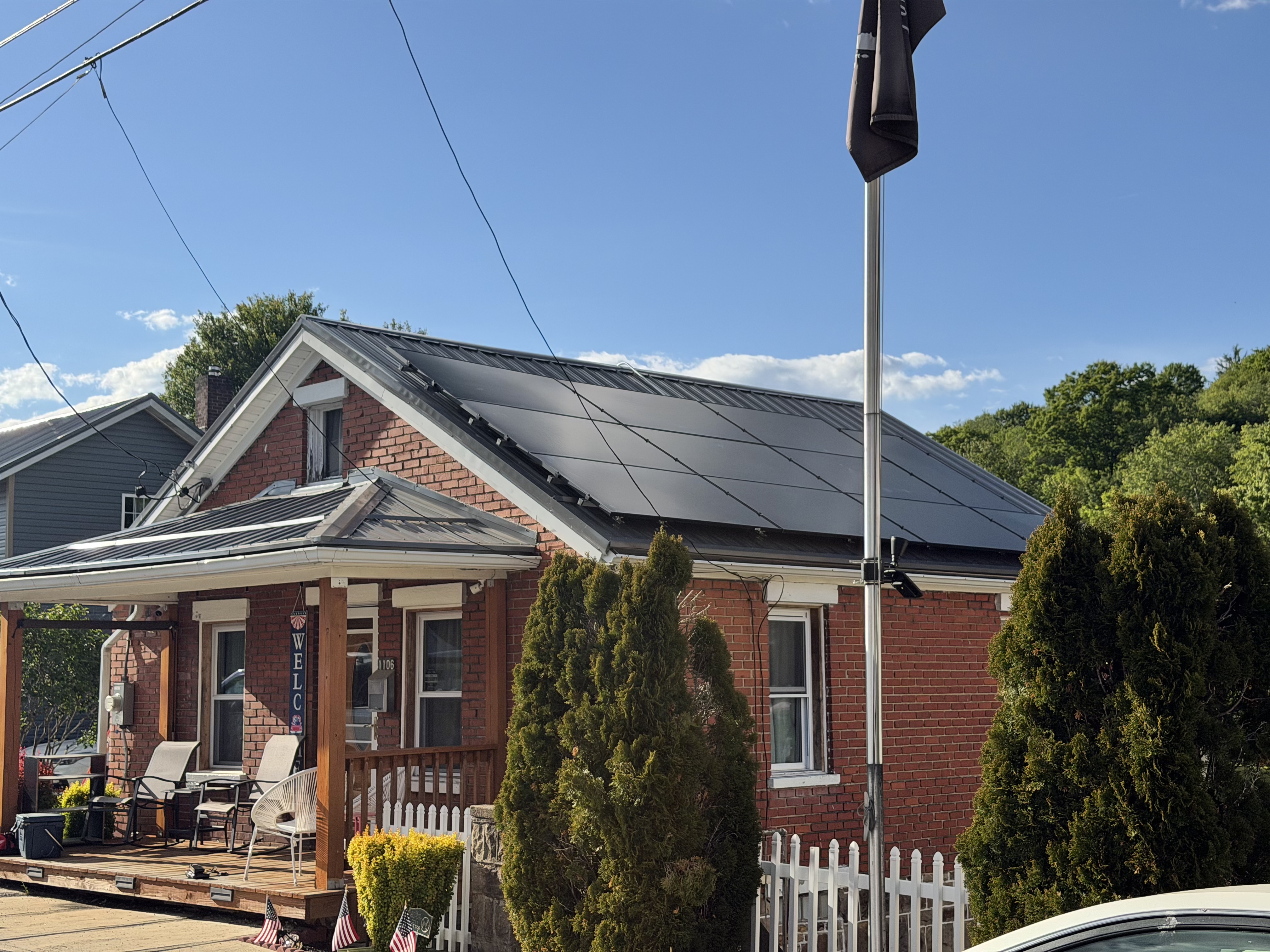
Clouds reduce production. They do not settle the whole question.
Solar panels use sunlight, including light scattered by the atmosphere. Cloud cover affects the available solar resource, so production on an overcast day can be lower than on a clear day. There is no single cloudy-day percentage that fits every roof and weather condition.
For a Pittsburgh home, the useful question is how a proposed system is expected to perform over a full year. Ask for an estimate based on the property’s location, roof orientation, shading, and equipment—not a promise based on the best day of summer.
Winter is part of the design, not an exception
Cold temperatures alone do not make solar panels stop working. Winter also brings shorter daylight hours, lower sun angles, and possible snow cover. Those factors can reduce the energy a system produces even when cold conditions help panel efficiency.
A proposal should account for seasonal differences. Request a monthly production breakdown so you can see how winter and summer contribute to the annual total. Snow accumulation, roof access, and equipment design also need consideration; do not climb onto the roof or attempt to clear panels yourself.
Your roof can matter more than a citywide generalization
- Orientation and pitch: ask which roof planes were included and why.
- Tree and building shade: ask how shadows were assessed across seasons.
- Roof condition: identify repairs or replacement that may be needed first.
- Annual usage: compare estimated kilowatt-hours with your actual electricity use.
- Planned changes: mention an EV, heat pump, addition, or changing occupancy.
Does that mean solar is worth it for my house?
Energy production and financial value are different questions. A suitable roof still needs a proposal with a clear installed price, payment terms, expected production, and utility-billing assumptions. A shaded roof or an expensive installation may change the decision.
Compare a home-specific estimate with your current costs and alternatives. Avoid treating a citywide savings figure as a prediction for your address. See our solar cost guide and proposal-review checklist.
What to ask Helios
- What weather data and shading assumptions support this estimate?
- Can I see projected production month by month?
- How do roof condition and tree cover affect the design?
- Which electricity charges may remain after installation?
Have a year of electricity usage and your roof age ready. Helios can discuss whether a site assessment makes sense and confirm availability for your property.
Official resources
Check the source
Sources reviewed November 2, 2026. Project requirements and availability must be confirmed for your address.
Keep planning your project
Solar services · Solar costs · Quote review · Roof + solar planning